A narrower window needs a faster loop
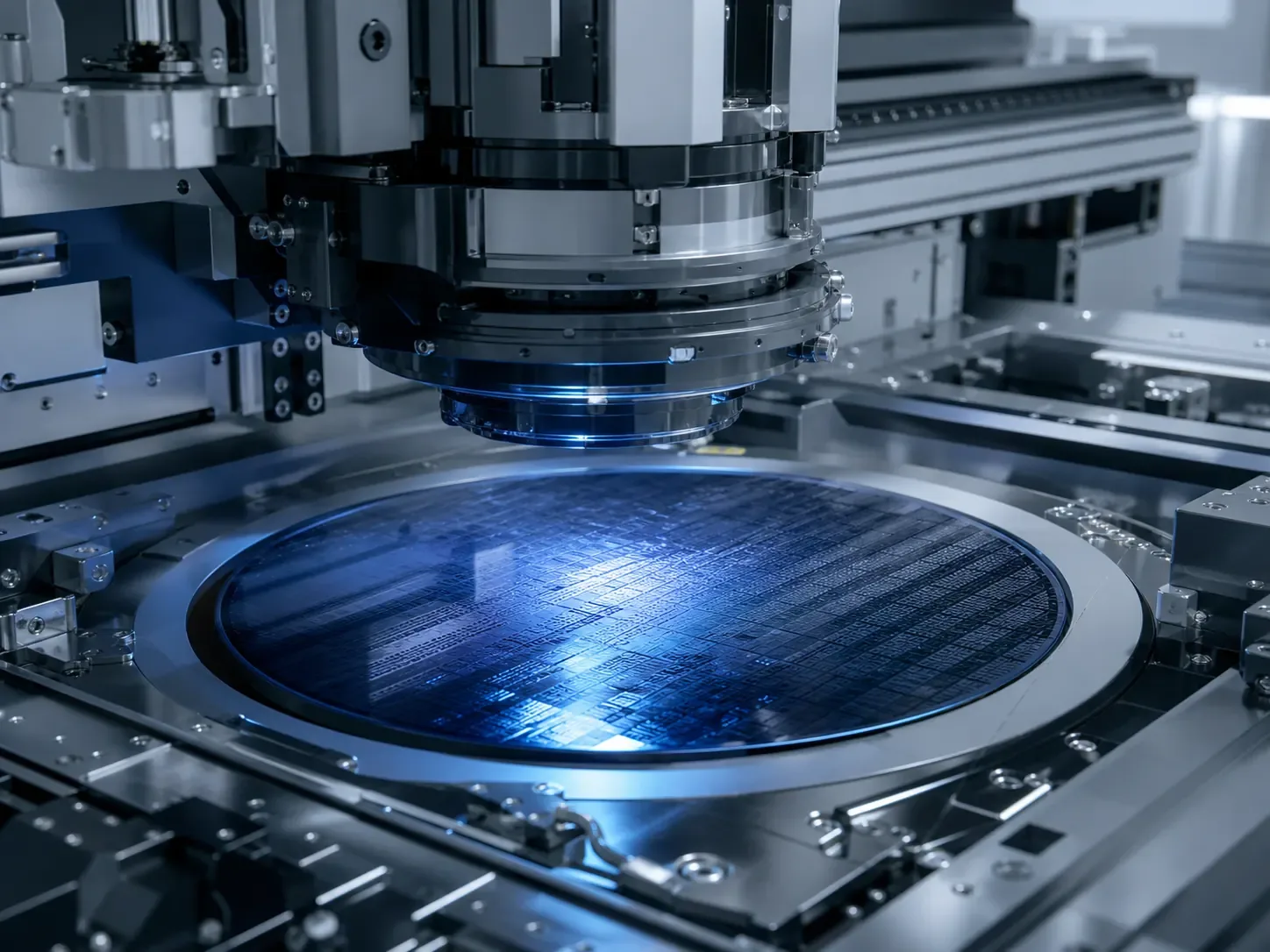
High-NA EUV does not simply move the exposure module to a sharper optical system. It changes the way the fab treats overlay, focus, and wafer-level variation across the full route.
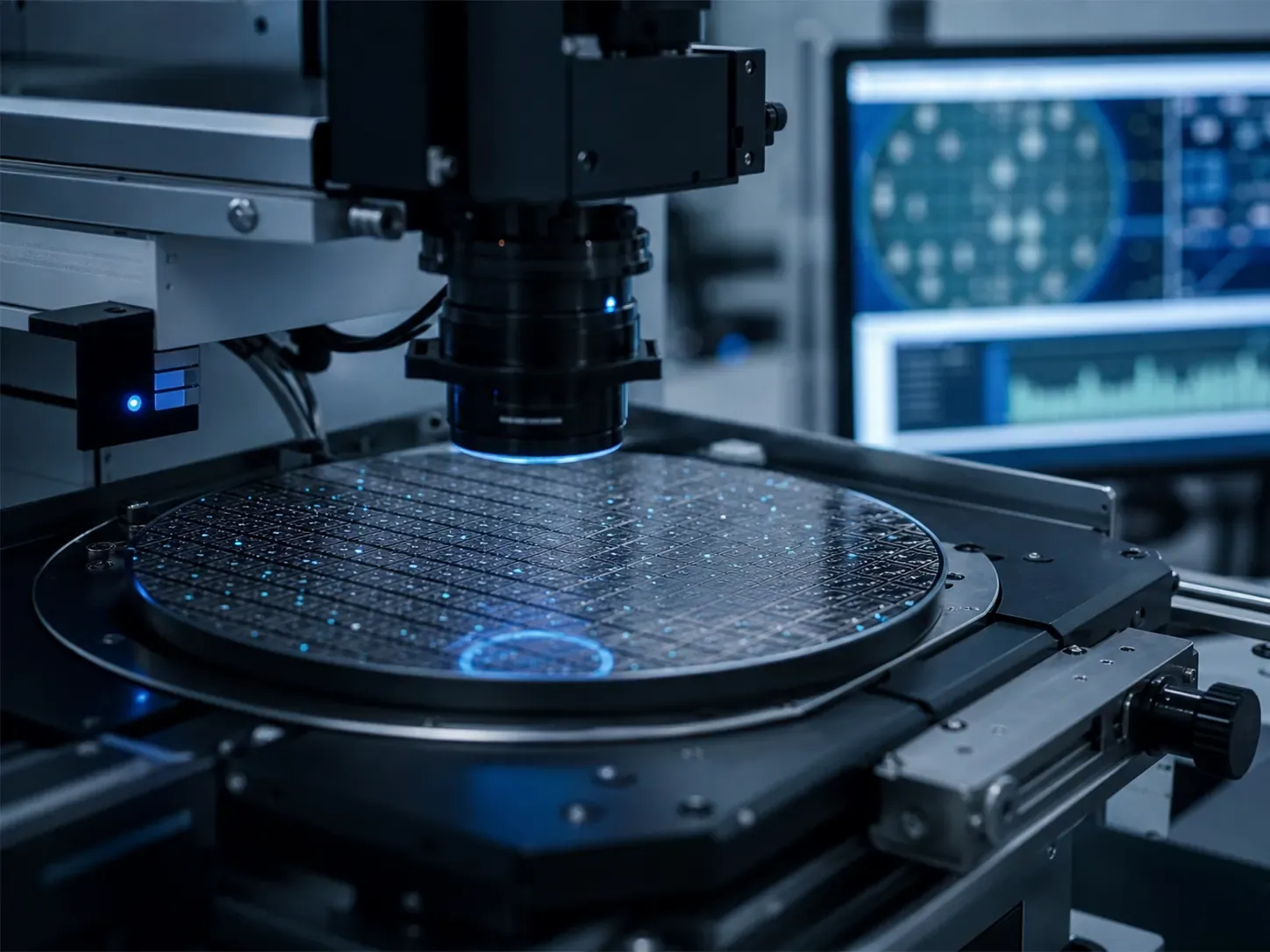
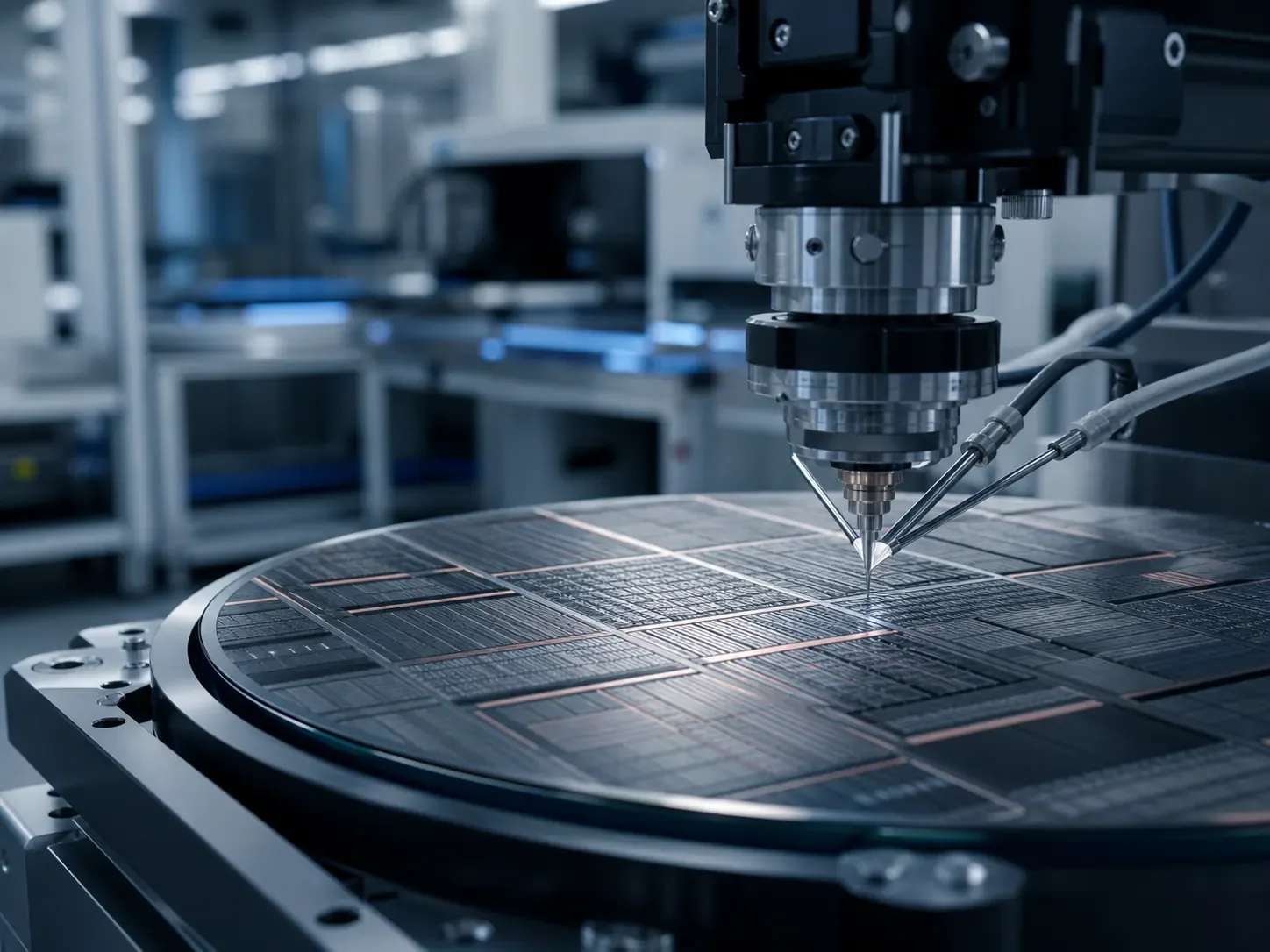
The scanner can only hold the process window when metrology feedback arrives soon enough to tune the next critical layer. For volume work, that means inline overlay sampling, APC integration, and excursion triage need to behave like one operating system.
Tool matching becomes part of the recipe
Copy-exact transfer is no longer a late qualification activity. The tool fingerprint, thermal state, and chamber matching data need to be characterized while the recipe is still being tuned.
SILICON teams treat machine-to-machine variation as a design input. Matching data is reviewed with the same cadence as defect Pareto and CD uniformity because all three affect first-silicon yield.
Production discipline is the differentiator
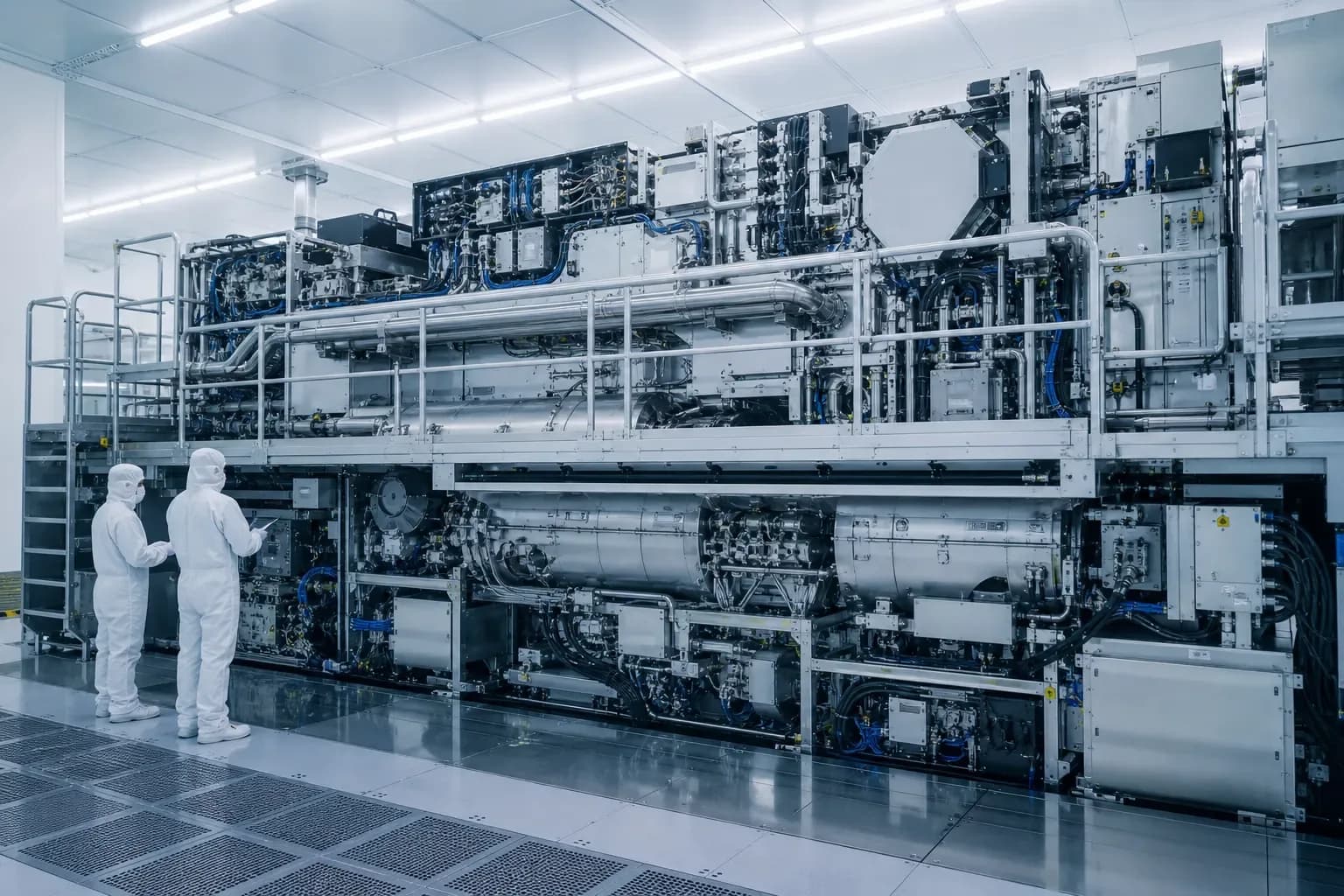
The fabs that win on High-NA will not be the ones with the newest scanner alone. They will be the lines that keep reticle logistics, pellicle inspection, scanner health, and metrology response moving as one controlled flow.
That is where embedded process and sustaining teams matter. The learning loop has to stay close to the wafer, especially during pilot lots and early volume ramps.